


Zapier makes automation look effortless. It is drag and drop, it connects to almost everything, and it feels magical when it works. But eventually you hit the limits. Then you start paying for more tasks, more zaps, and more connections that should have been simple to begin with.
The truth is, you can automate what Zapier does and more for free with open source tools you can host yourself. Once you set them up, they are faster, private, and completely under your control. You decide how they run and what they connect to.
n8n
If you have ever used Zapier, n8n will feel familiar. It has a clean, modern interface that lets you build workflows visually. You can drag nodes, connect them together, and automate almost anything without writing code.
 Jeremy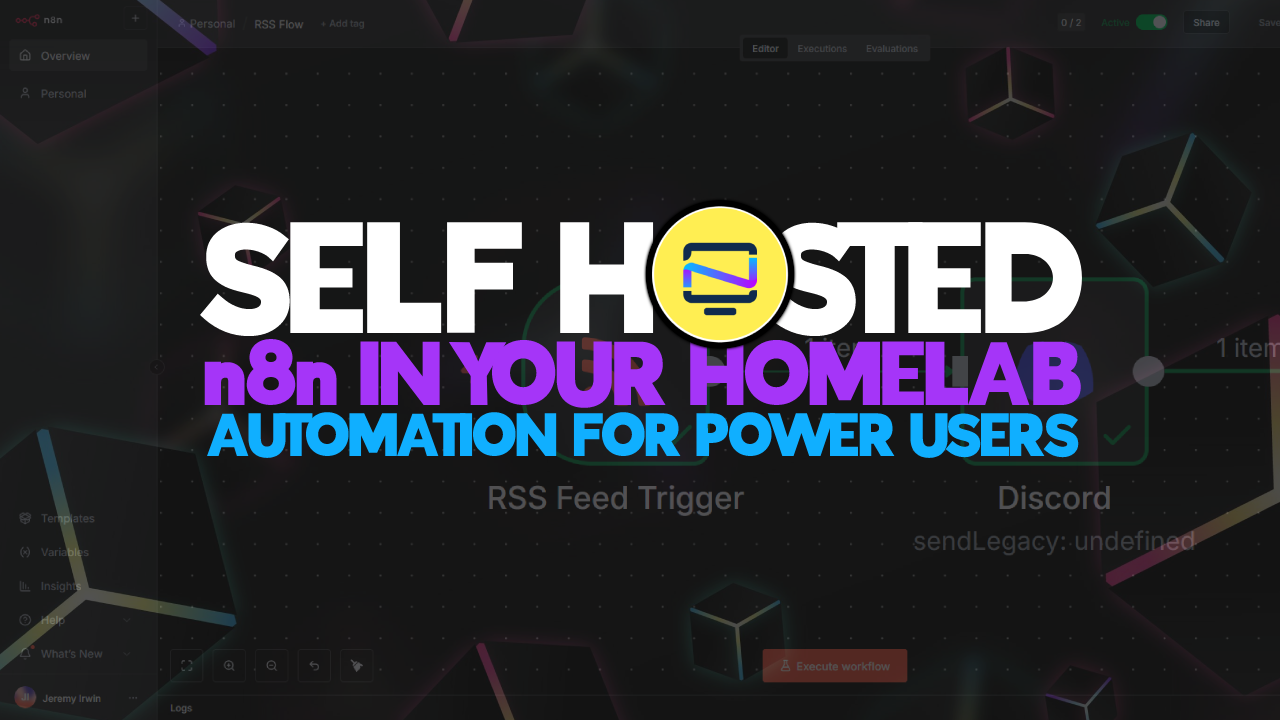
The best part is that n8n is open source and free. You can install it with Docker in minutes and start building. It supports hundreds of integrations including Google Sheets, Notion, Slack, Telegram, API calls and even CLI commands!
You can trigger tasks instantly through webhooks or schedule them to run every few minutes with cron. I use n8n to send weekly analytics from my blog, post updates to Discord, and archive files automatically. Once you start connecting things, you realize how much of your digital routine can run on its own.
There are no task limits and no premium plans waiting to unlock features. You host it, you own it, and you can scale it however you want.
Node RED
For people who like to tinker, Node-RED is another favorite. It runs on Node.js and is lightweight enough to live on a Raspberry Pi. It is popular in the home automation and IoT world, but it is just as useful for business tasks.
You can connect APIs, databases, or even physical devices. It is great for building small automations that need to run locally or interact with your network. I have used it to collect web stats, send alerts to Telegram, and trigger local scripts when servers go offline.
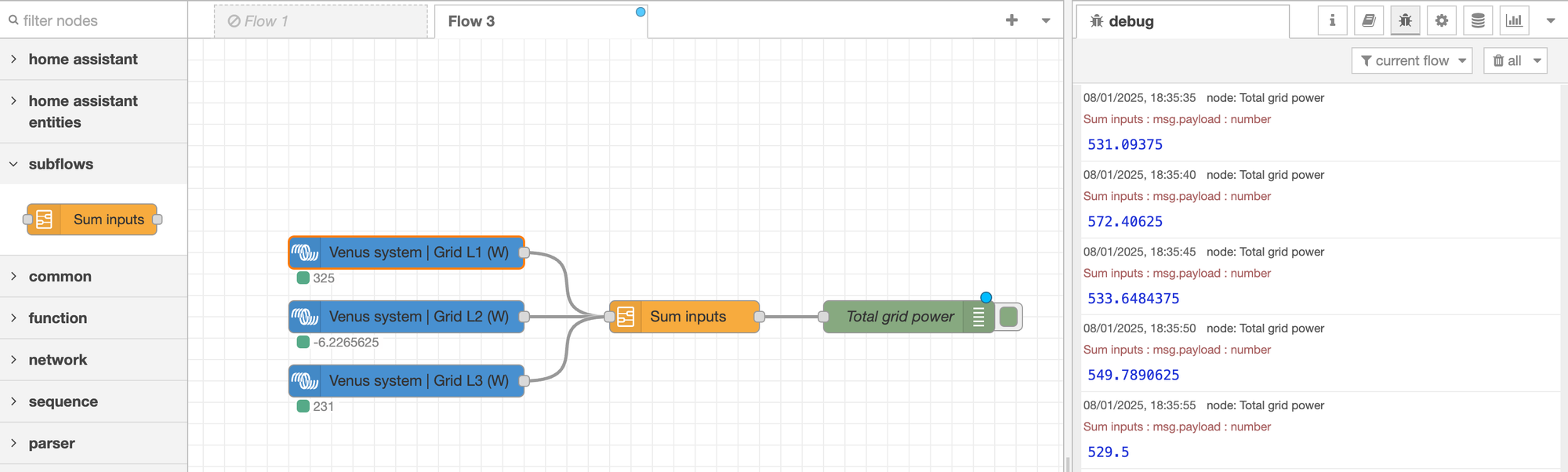
The interface is simple and everything happens in real time. You can test flows as you build and watch data move through each step. Once you understand the basics, you can do almost anything with it.
Simple Scripts and Cron Jobs
Not every task needs a big automation tool. Some things are better handled with a small script or a scheduled cron job.
A Python or Bash script can take care of repetitive jobs like cleaning folders, creating backups, or posting updates to an API. Combine that with a cron schedule and you can have it run every hour, every night, or once a week. It is still automation, just in its simplest form.
These small scripts can also tie into n8n or Node RED to make more complex systems over time. You can start small and expand naturally without any cost.
Why This Matters
Automation should make life easier, not cost more. With self-hosted tools like n8n or Node-RED, you get the same power as paid platforms without the restrictions. Your data stays yours, you control how everything runs, and you don’t have to chase features locked behind another subscription.
Once you build your first workflow and see it run on your own server, you will wonder why you ever paid for it in the first place.
 Jeremy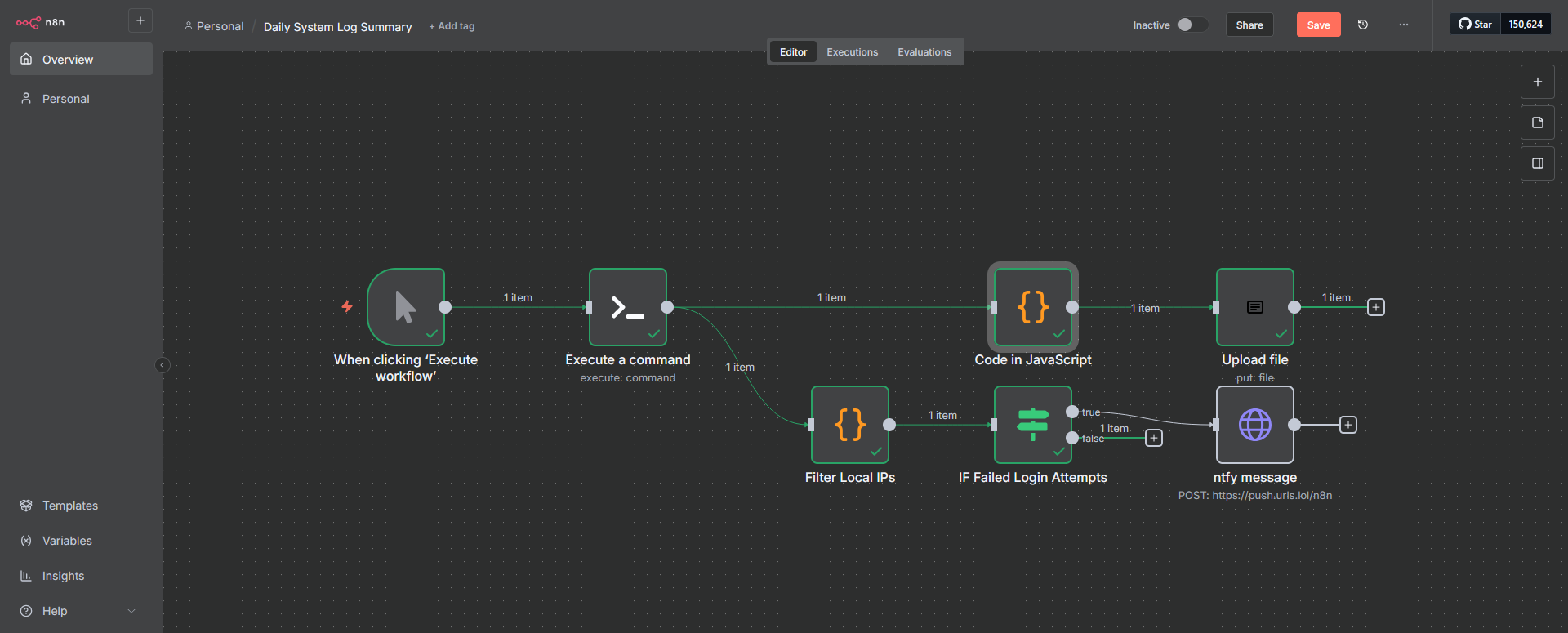


Discussion